

Introduction: The nuclear reality of France - Insights
The French nuclear landscape
France is often regarded as the most "nuclearized" country in the world, with 56 active reactors spread across 19 sites (as of 2023). This reality is explained by the predominance of atomic energy in its energy mix, accounting for approximately 70% of total electricity production. However, the future of this technology faces multiple challenges.
Reactor decommissioning and EDF's financial difficulties
By 2030, the majority of these reactors will reach their planned end of life. Their decommissioning poses a significant logistical and financial challenge. At the same time, EDF, the national power generation company, faces financial difficulties, with a debt exceeding €40 billion in 2023.
The issue of nuclear workforce training
In addition to these challenges, the training of nuclear industry workers raises concerns. According to a 2022 study, nearly 30% of nuclear plant technicians would be under-qualified for the tasks they perform, thus increasing the risk of errors.
Questioning nuclear transparency
Concealment and downplay of nuclear accidents
In the face of the potential magnitude of a nuclear catastrophe, it is not uncommon for information to be masked or downplayed to avoid general panic. The sensitivity surrounding nuclear matters in France sometimes leads to a delicate handling of accidents, or even their concealment. According to the "Sortir du nucléaire" network, an average of 900 incidents occur annually, which is nearly 3 per day.
The Geiger counter, a solution to stay informed
A personal radiation measurement tool
To address these issues, a solution presents itself: becoming an actor in your own information by measuring radiation yourself. This is particularly crucial if you live near a nuclear power plant, as is the case for nearly 1.3 million French people.
Introduction to the Geiger-Muller counter
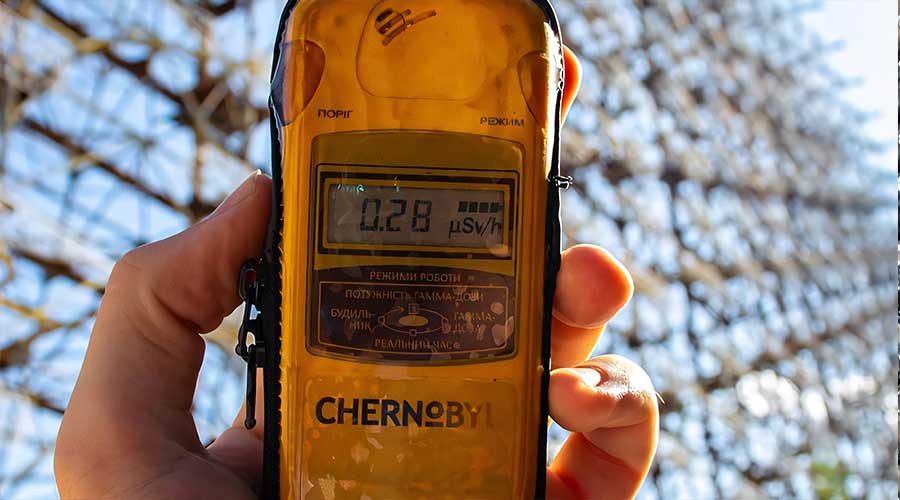
This is where the Geiger counter comes into play, or more precisely, the Geiger-Muller counter. This device, resembling a small box, allows the measurement of absorbed radiation per hour, up to a dose of 999 millisieverts.
Radioactivity, a ubiquitous natural hazard
Assessing the risk associated with radioactivity
Radioactivity is omnipresent in our natural environment, with an average background level in France on the order of 0.1 millisieverts per year. However, it is exposure to a single dose of 200 millisieverts that presents a health risk.
0 Comments